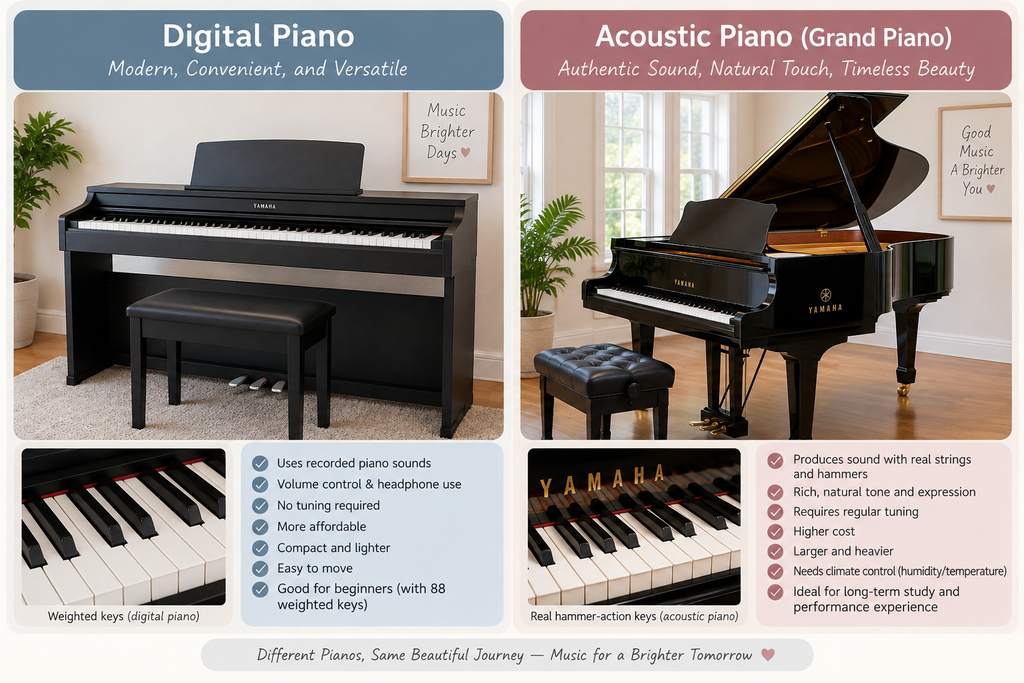
When choosing a first piano, many parents wonder about digital piano vs. acoustic piano and which one is better for a beginner.
One of the most common questions parents ask me is, “Should I buy a digital piano or an acoustic piano for my child?”
My answer is simple: Choose the best piano that fits your child’s needs, your home, and your budget.
When a child is just beginning piano lessons, you do not necessarily need to spend thousands—or even tens of thousands—of dollars on an expensive upright or grand piano. If your budget allows it, a high-quality acoustic piano is certainly a wonderful investment. But it is not necessary for every beginner.
I usually recommend starting with a reasonable budget. If your child continues lessons for two or three years, still enjoys playing, practices consistently, and shows musical potential, you can always upgrade to a better instrument later.
Digital Piano: A Practical First Choice
When comparing digital piano vs. acoustic piano, the right choice depends on your child’s needs and your family’s situation.
For many families, a good digital piano is an excellent first instrument.
Digital pianos are generally more affordable, take up less space, and do not require regular tuning. You can also control the volume or use headphones, which is especially helpful in apartments or when a child needs to practice without disturbing the rest of the family.
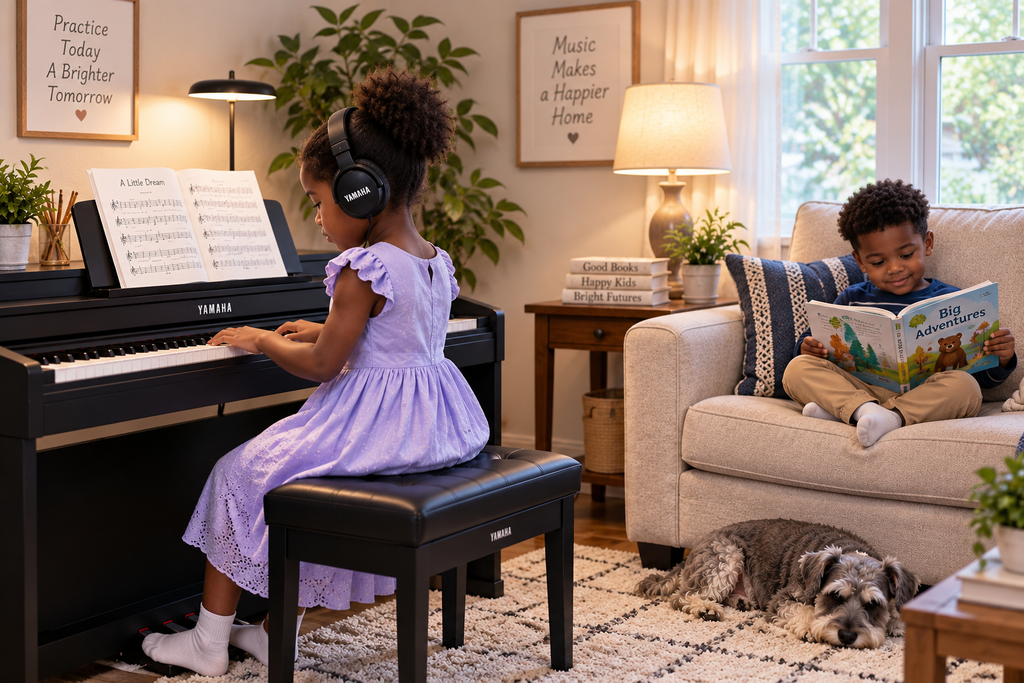
However, not every digital keyboard is appropriate for piano lessons.
For a beginning piano student, I strongly recommend:
88 keys, weighted or hammer-action keys, and a sustain pedal.
These features make a digital piano feel closer to an acoustic piano and help students develop better technique.
Why I Don’t Recommend Light-Touch Keyboards
This is particularly important for young children.
Young beginners are still developing finger independence and control. Sometimes a finger may accidentally touch a neighboring key even though the child did not intend to play it.
With very light keys, even a small accidental touch can produce an unwanted note. A child may hear the wrong sound and think, “I made another mistake,” even though they were not actually trying to press that key. When this happens repeatedly, some children can become distracted or frustrated.
Weighted keys require more intentional finger movement. They help students develop better control, appropriate finger strength, and a more natural piano touch. They also make the transition to an acoustic piano easier later.
Why Choose an Acoustic Piano?
An acoustic piano creates sound naturally through real hammers and strings. This gives the player a wider range of touch, tone, dynamics, and expression.
As students move into intermediate and advanced music, these differences become increasingly important.
There is another advantage that parents may not think about at the beginning: performance experience.
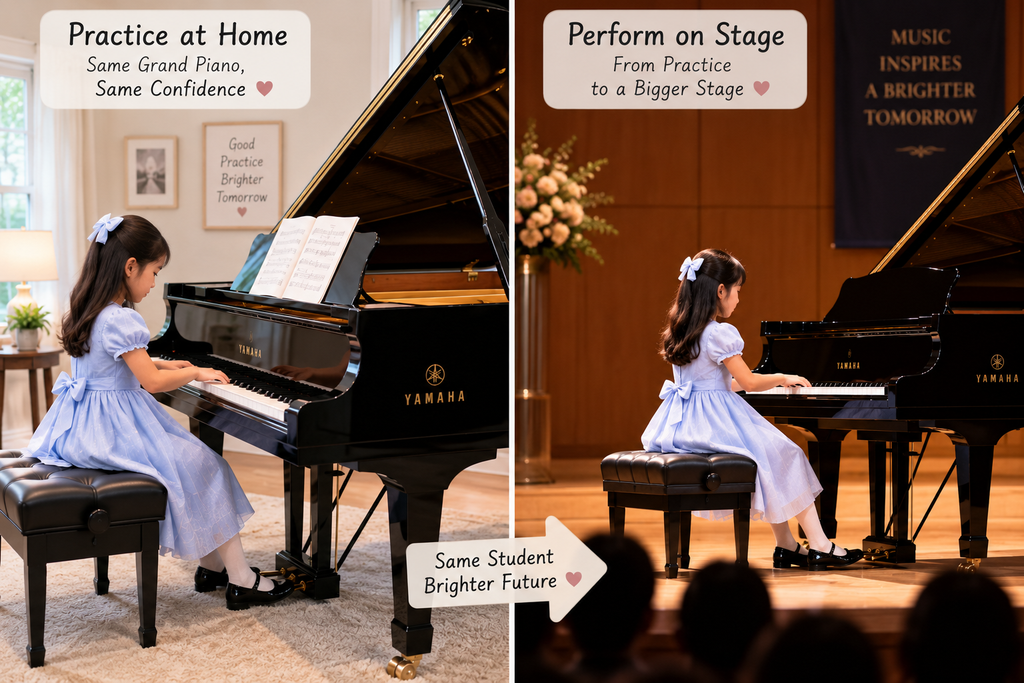
As students progress, they may perform at recitals, competitions, churches, schools, or concert halls. Many of these performances take place on an acoustic piano, often a grand piano.
A student who practices only on a digital piano may be surprised by how different a performance piano feels. The weight and response of the keys, the pedals, and the way the instrument responds to different touches can all feel unfamiliar.
Students who regularly practice on an acoustic piano are generally more accustomed to these characteristics. A student who practices on a grand piano at home may feel especially comfortable when sitting down at another grand piano for a recital or competition.
Of course, a family does not need to buy a grand piano for a beginner. But as a student becomes more advanced and begins performing seriously, access to an acoustic piano can become increasingly valuable.
Maintenance and Repairs
There are costs to consider with both types of pianos.
An acoustic piano needs regular tuning and may occasionally require repairs or adjustments. It is also heavy and usually requires professional movers. Temperature and humidity can affect the instrument as well.
The advantage is that acoustic pianos are designed to be maintained. Piano technicians and tuners can tune the piano, regulate the action, and repair or replace many mechanical parts. A well-maintained acoustic piano can serve a family for many years.
Digital pianos do not need tuning and generally require less routine maintenance. However, they contain electronic components. If an older digital piano develops a serious problem, replacement parts or technicians familiar with that model can sometimes be difficult to find. Depending on the age and value of the piano, a major repair may not always be worth the cost.
Consider a Used Piano
Before buying a brand-new piano, I also encourage parents to ask around.
Check with relatives, friends, or neighbors. Someone may have an acoustic piano that has not been played for years and may be willing to sell it inexpensively, lend it to you, or even give it away.
Local marketplaces can also be a good place to look.
However, remember that a free piano is not always truly free.
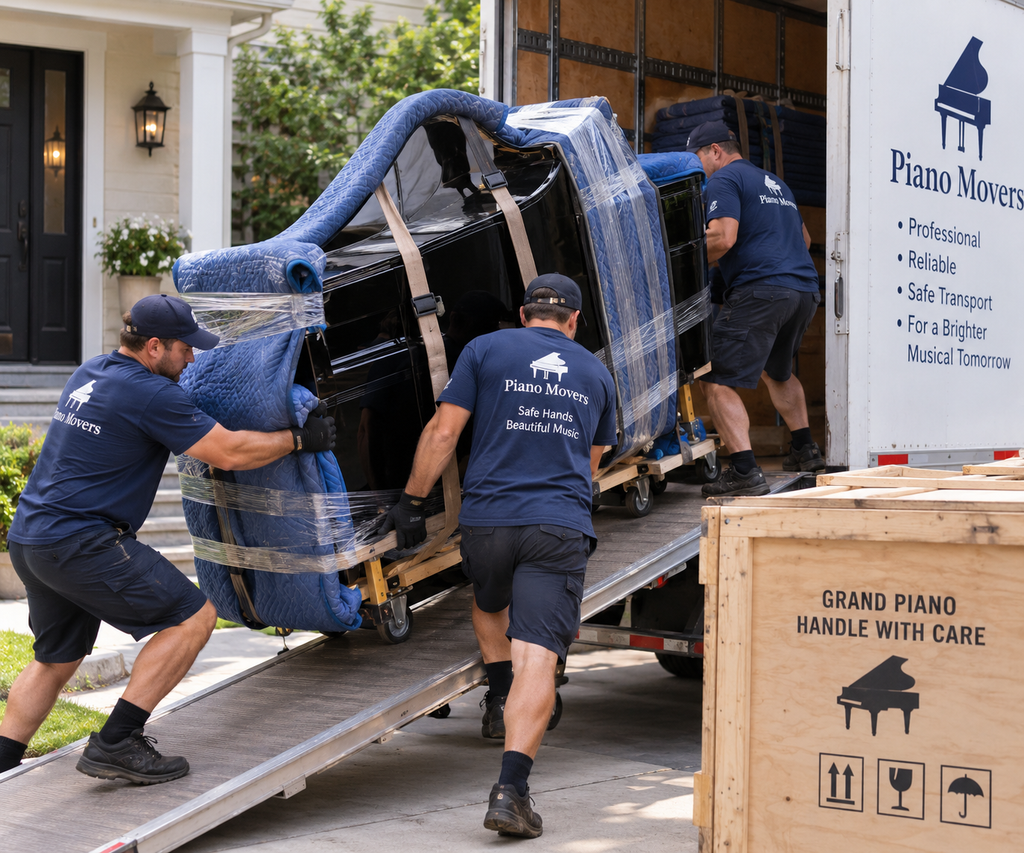
An acoustic piano may need professional moving, tuning, or repairs. A piano that has been neglected for many years may require more work than expected. If possible, have a piano technician inspect a used instrument before bringing it home.
So, Which Piano Should You Buy?
For a beginner, I recommend making the decision in this order:
Start with your budget.
If you choose a digital piano, look for 88 weighted or hammer-action keys and a sustain pedal. Avoid very light keyboards if possible.
If you find a good used acoustic piano, it may be an excellent choice—but remember to include moving, tuning, and possible repair costs in your budget.
Most importantly, don’t feel pressured to make a huge investment immediately.
Give your child time to learn and discover whether piano becomes something they truly enjoy. If, after two or three years, your child is still interested, practicing consistently, and progressing well, that may be the right time to invest in a higher-quality instrument.
As students advance and begin performing more often, an acoustic piano can offer important advantages in touch, control, expression, and preparation for performances.
In the end, there is no single winner in the digital piano vs. acoustic piano debate – the best choice is the piano that helps your child enjoy practicing and keep learning.
The best first piano is not necessarily the most expensive one. It is the one that fits your family’s budget, supports good playing habits, and gives your child the opportunity to grow and enjoy making music.